

Elbow Pain Treatment in Victoria Park
Dr Joel Maylor talks about Elbow Pain and Chiropractic
What is elbow pain?
Elbow pain refers to discomfort affecting the elbow joint and surrounding muscles, tendons, ligaments, and connective tissues.
Symptoms can range from mild stiffness and irritation to more significant pain that impacts work, exercise, sport, lifting, gripping, and daily activities.
Elbow pain may be associated with tendon irritation, muscle strain, joint dysfunction, reduced mobility, or changes in movement patterns. Symptoms often develop when the elbow is exposed to repeated stress without adequate recovery or movement variation.
Is elbow pain affecting your work, grip or training?
Book an assessment with Dr Alex or Dr Joel – no GP referral needed, and private health rebates are available on most extras policies. Prefer to talk? Call 0493 290 505.
What are the common types of elbow pain?
Elbow pain can present in different ways depending on the structures involved and the underlying contributing factors.
Tennis Elbow (Lateral Elbow Pain)
Pain or discomfort on the outside of the elbow that may be aggravated by gripping, lifting, typing, or repetitive hand and wrist movements.
Golfer's Elbow (Medial Elbow Pain)
Pain on the inside of the elbow that is often associated with gripping, throwing, lifting, or repetitive forearm activity.
Tendon-Related Elbow Pain
Symptoms involving irritation or overload of the tendons around the elbow, often developing gradually over time.
Elbow Joint Stiffness and Restriction
Reduced range of motion or discomfort when bending, straightening, or rotating the arm.
Repetitive Strain Elbow Pain
Symptoms that develop gradually due to repeated movements, occupational demands, gym training, racquet sports, golf, or manual work.
Shoulder and elbow complaints sometimes occur together; see our shoulder pain page.
Common causes of elbow pain
Elbow pain may be caused by a range of issues, including:
Muscle strain or overuse
Repetitive gripping or lifting activities
Tendon irritation or overload
Joint dysfunction or restriction
Poor movement patterns and biomechanics
Sporting or occupational demands
Previous injuries or trauma
Understanding what's contributing to your elbow pain helps us choose the right care for you.
Signs it's time to get your elbow checked
You don't need to wait until elbow pain becomes severe before seeking an assessment.
You may consider having your elbow assessed if:
Pain keeps returning
Gripping or lifting has become uncomfortable
Work or sporting activities are being affected
You have ongoing stiffness or reduced movement
Symptoms are limiting gym training or exercise
Pain is spreading into the forearm, wrist, or upper arm
Symptoms are gradually worsening over time
Early assessment is often less about chasing symptoms and more about understanding why they continue to occur.
How we can help with elbow pain
Your first visit is a thorough assessment – a detailed health history, a physical and orthopaedic examination, and muscle activity scans (sEMG). Before any treatment starts, we explain what we've found and what's likely contributing to your elbow pain.
Depending on your assessment, your care may include chiropractic adjustments to the elbow, wrist and upper back, soft tissue therapy and dry needling. We'll also give you practical advice on movement and daily habits, so you know what you can do between visits.
No GP referral needed · Private health rebates available
Elbow Pain Chiropractors
Dr Alex Freeman
Firm, hands-on adjustments, dry needling and soft tissue work. Experienced with stubborn elbow and arm pain.
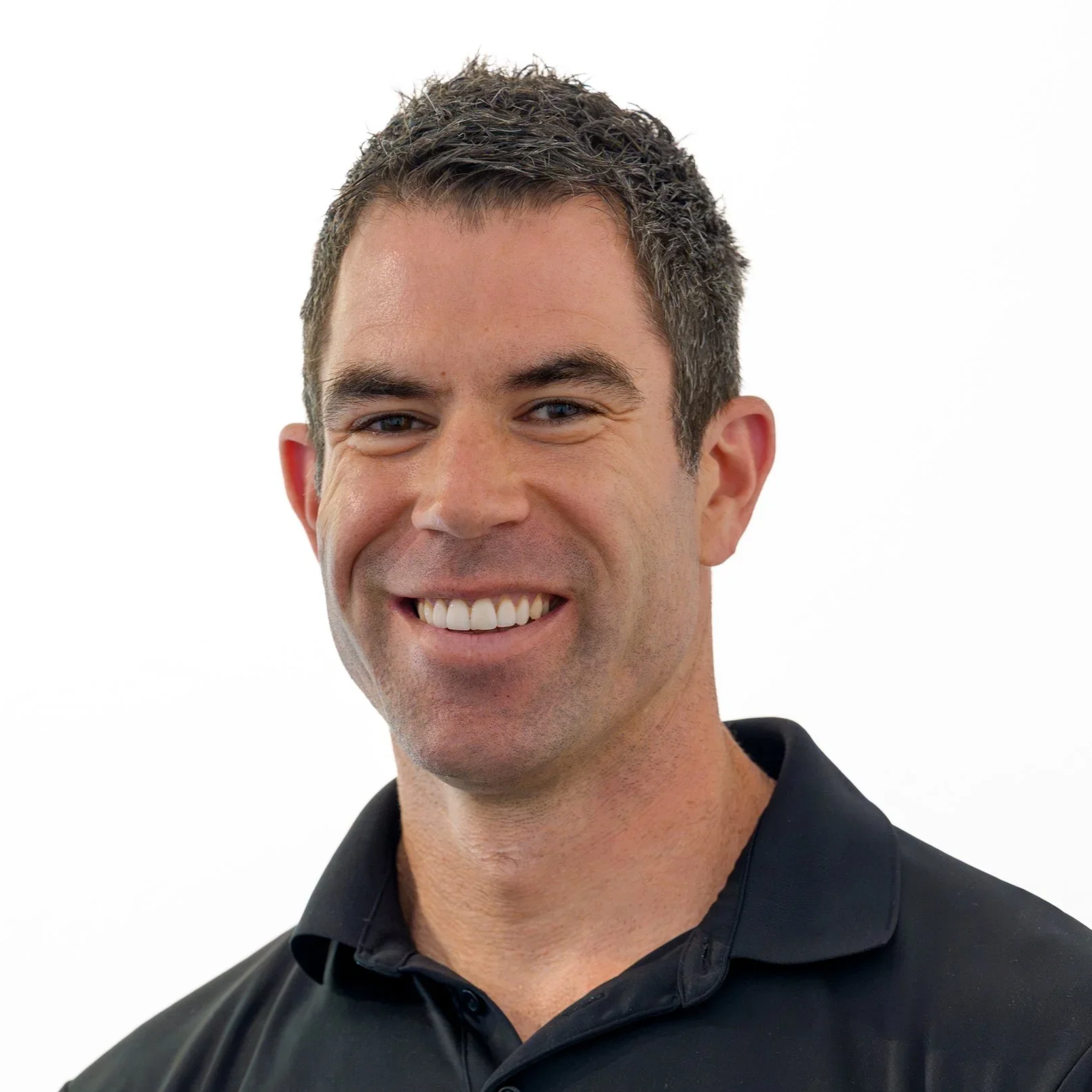
Dr Joel Maylor
Exercise science and sports rehab background. Practical, movement-focused care for active people.

Your Elbow Pain Questions, Answered
-
Both conditions involve overload of the tendons that attach the forearm muscles to the elbow. Tennis elbow affects the outer elbow and is usually aggravated by gripping and lifting with the palm facing down, whereas golfer's elbow affects the inner elbow and is often aggravated by gripping, throwing, or curling movements. Despite the names, repetitive work and gym training are more common contributors than either sport.
-
Dry needling is one of the hands-on options available at Freeman Chiropractic and may be used for forearm muscle tension when clinically appropriate. It is typically combined with soft tissue therapy, assessment of the wrist, shoulder, and neck, and progressive tendon loading exercises. Your chiropractor will explain the technique and obtain your consent before using it.
-
Complete rest is rarely recommended for tendon-related elbow pain, because tendons need appropriate load to adapt. The aim is usually to reduce aggravating activities to a tolerable level while gradually reintroducing strength work. Dr Joel Maylor, who has an exercise science background, focuses on tendon rehabilitation and can guide you through a loading program matched to your work and training.
-
Yes. The nerves supplying the forearm begin in the neck, and stiffness or nerve irritation there can sometimes produce or amplify pain around the elbow. Reduced shoulder control can also increase the demand on the forearm muscles during lifting and gripping. For this reason, an elbow assessment at our clinic includes the neck and shoulder as well as the elbow itself.
-
Small changes can lower the load on irritated tendons: adjusting grip width, using a thicker handle, varying keyboard and mouse use, and temporarily reducing pulling volume in the gym. Many people continue working and training while these changes are in place. Your chiropractor will help you identify which activities to adjust and for how long.