

Back Pain Chiropractic Care in Victoria Park, Perth
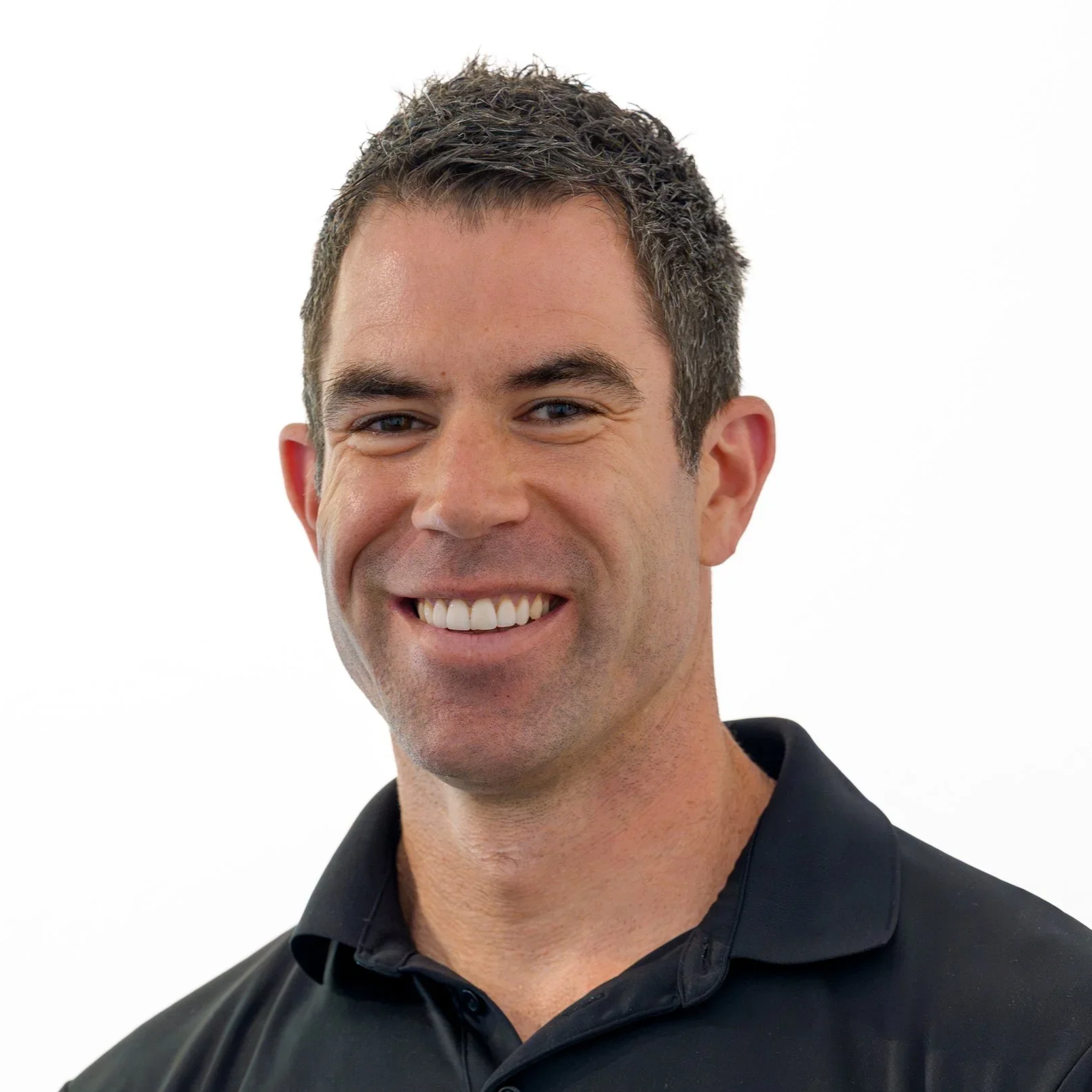
Dr Joel talks about Back Pain and Chiropractic
Back pain is one of the most common reasons people visit our chiropractic clinic in Victoria Park. However, in many cases it is not simply the result of a single injury or a “sore back muscle”.
More often, it develops gradually over time. The way you sit, move, train, recover from previous injuries, and how your spine manages daily repetitive loads can all influence how symptoms appear and progress.
At Freeman Chiropractic, we don’t only focus on where the pain is felt. We also assess how the spine and surrounding areas are working together, as this often provides better insight into why the problem has developed.
Is back pain affecting your work, sleep or training?
Book an assessment with Dr Alex or Dr Joel – no GP referral needed, and private health rebates are available on most extras policies. Prefer to talk? Call 0493 290 505.
Why do I have back pain?
In many cases, back pain does not come from one clear incident such as lifting something heavy or sleeping awkwardly. While this can occur, it is often the final trigger of an underlying issue that has developed over time.
Common contributing patterns seen in practice include:
Prolonged sitting with limited spinal movement
Previous injuries (such as hip, knee, or ankle issues) that alter movement patterns
Reduced mobility in the mid-back placing extra load on the lower back
Repetitive work or training without adequate variation or recovery
Muscle tension related to stress or sustained posture
General lack of daily movement leading to stiffness
A key point is that the area where pain is felt is not always the source of the problem. The body often adapts to restrictions elsewhere, and over time these compensations may contribute to ongoing strain.
What are the common types of back pain?
Back pain can present in different ways depending on the area of the spine and underlying contributing factors:
Back Pain After Lifting or Bending
Sudden pain or spasm after a lift, twist or bend, often involving the muscles, ligaments or joints of the lower back.
Upper and Mid Back Pain
Discomfort in the thoracic spine, often linked with posture habits, muscle tension, or reduced joint mobility.
Lower Back Pain
Pain in the lumbar spine, commonly associated with muscle strain, joint irritation, reduced movement, or prolonged sitting.
Radiculopathy
Irritation or compression of spinal nerves that may cause pain, tingling, numbness, or weakness that can radiate into the arms or legs.
Disc-Related Back Pain
Pain linked to an irritated spinal disc, felt in the lower back and sometimes travelling into the buttock or leg.
For more background, read what causes lower back pain. If you sit for long hours, see our page on chiropractic care for desk workers.
Signs it's time to get your back checked
You don’t need to wait until pain is severe or constant before getting assessed.
Pain is recurring or not fully resolving
You’re noticing stiffness that keeps coming back
Work, sleep, or training is being affected
Symptoms are gradually getting worse over time
You feel like your back “keeps tightening up” without a clear reason
Early assessment is often less about treating pain and more about understanding why it keeps happening.
How we can help with back pain
Your first visit is a thorough assessment – a detailed health history, a physical and orthopaedic examination, and muscle activity scans (sEMG). Before any treatment starts, we explain what we've found and what's likely contributing to your back pain.
Depending on your assessment, your care may include chiropractic adjustments, soft tissue therapy and dry needling. We'll also give you practical advice on movement and daily habits, so you know what you can do between visits.
No GP referral needed · Private health rebates available
Back Pain Chiropractors
Dr Alex Freeman
Firm, hands-on adjustments, dry needling and soft tissue work. Experienced with long-standing back pain.
Dr Joel Maylor
Exercise science and sports rehab background. Practical, movement-focused care for active people.

Your Back Pain Questions, Answered
-
At Freeman Chiropractic, your first appointment is an assessment rather than a treatment session. Your chiropractor discusses your history, assesses how your spine, hips, and pelvis move, and carries out relevant orthopaedic and neurological testing. Treatment generally begins at your second appointment, the Report of Findings and First Treatment, once your chiropractor has explained the findings and you have agreed on a plan of care.
-
For most episodes of lower back pain, gentle movement within comfortable limits is preferable to prolonged bed rest. Short walks, changing position regularly, and avoiding long periods of sitting help the spine stay mobile while symptoms settle. Your chiropractor can suggest specific movements suited to your presentation and identify which activities to modify in the short term.
-
Care is tailored to your examination findings and may combine manual adjustments using Diversified, Gonstead, and Syntropy-style techniques with soft tissue therapy and advice on work setup and load management. Because back pain is often influenced by stiffness in the mid-back, hips, or pelvis, treatment may address these regions as well as the painful area.
-
Back pain commonly recurs when the factors behind the first episode, such as prolonged sitting or limited mid-back movement, remain unchanged. Reducing recurrences usually involves regular movement through the day, gradual strengthening, and attention to how you lift and train. Your chiropractor reviews your progress over time and updates your plan as your capacity improves.
-
Seek prompt medical attention if back pain is accompanied by fever, unexplained weight loss, a history of cancer, significant trauma such as a fall or car accident, or severe pain that does not ease at night. These features are uncommon, but they need medical investigation before chiropractic care. If your chiropractor identifies any of them, they will refer you to your general practitioner (GP) or an emergency department.